Most gym owners put a lot of effort into keeping things clean. The equipment gets wiped down, the locker rooms get mopped, the towels get washed. Rodents are a different story. They tend to stay out of sight until the day a member spots one running behind the cable machine, and by then there are usually a lot more of them in the building.
A mouse problem in a gym costs more than it does in most businesses. Members touch everything, they’re breathing hard while they do it, and they’ll leave for the gym down the street if the place starts to feel dirty. Here’s why gyms attract rodents, what to look for, and what actually keeps them out.
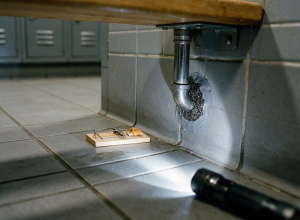
What Draws Rodents Into a Gym
A gym doesn’t look like a place rats would want to live, but from a rodent’s point of view it has nearly everything.
Food. Plenty of gyms sell protein bars, shakes and supplements at the front desk or a smoothie counter. Add the granola bar wrappers in the locker room trash and the crumbs under the break room table, and there’s a steady food supply.
Water. Showers, sinks, drinking fountains and that toilet in the women’s locker room that’s been running for a month all give rodents the water they need every day.
Shelter. Storage rooms full of spare mats and boxes, mechanical rooms, utility closets and the gaps behind walls are warm, quiet places to nest. A lot of gyms also lease older industrial or strip-mall spaces with plenty of hidden voids.
Ways in. A mouse can get through a gap about the width of a pencil. Commercial buildings are full of openings like that around pipes, conduit, vents, loading doors and the bottom of rear exits that get propped open for deliveries.
Once rodents find food, water and a safe place to nest in the same building, they settle in and start breeding. Mice can produce a new litter every few weeks, so a couple of animals in the fall can become a real infestation by winter.
The Health Side of It
This is what members worry about most, and for good reason.
Droppings and urine
Rodents leave droppings and urine wherever they travel, which usually means along walls, behind equipment, in storage areas and under benches. In a gym, those are places where people put down mats, set their bags and stretch on the floor.
Rodents can carry bacteria linked to salmonellosis and leptospirosis. Some species, depending on where you are in the country, can carry hantavirus. The risk depends a lot on the species and the region, but it’s not something to take lightly.
One thing staff should know: don’t sweep or vacuum dry droppings. It kicks fine particles into the air. Wear gloves, wet the area with a disinfectant first, then wipe it up. If there’s a lot of it, that’s a job for professionals.
The smoothie bar and retail shelf
If your gym serves or sells food, rodents are a bigger problem. They’ll chew through protein bar wrappers, cardboard boxes and supplement packaging without much trouble. Once you find chewed packaging, that inventory has to go in the trash, and you’ll need to clean out the whole storage area. If you’re preparing food on site, rodent activity can also cause trouble with the health inspector.
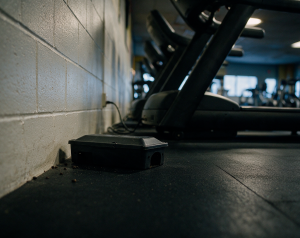
Air quality
Rodent urine, droppings and dander all add allergens to the air. For a member with asthma or allergies who is breathing heavily through a 45-minute class, that matters more than it would in a typical office.
What Rodents Do to Equipment
A commercial treadmill can cost as much as a used car, and a gym floor full of cardio machines is a large investment. Rodents chew constantly to keep their teeth worn down, and wiring is one of their favorite targets.
When mice nest in or near equipment, they tend to go after:
- Power cords and internal wiring
- Plastic housings and tubing
- Padding and upholstery foam (great nesting material)
- Control boards and electronic connections
- Spare parts and supplies sitting in the back room
Chewed wiring can do more than break a machine. It can create a shock or fire hazard. Mice also like to nest inside console housings and around HVAC equipment, where the warmth draws them in.
The result is repair calls, machines with “out of order” signs, and members who came in for a run and found every treadmill in use.
The Reputation Problem
Gyms sell trust as much as they sell memberships. People pay to work out in a place they believe is clean.
It only takes one member seeing a mouse to undo that, and they rarely keep it to themselves. A Google review, a post in the neighborhood Facebook group or a few cancellation emails can follow within days. In a crowded market where there’s another gym five minutes away, that’s a real risk.
Staying ahead of pests won’t make the news, but it keeps you from ending up there.
Signs Your Gym May Have Rodents
Catching activity early is a lot cheaper than dealing with an established population. Have your staff, especially whoever opens and closes, keep an eye out for these.
Droppings
Small, dark pellets along walls, on storage shelves, behind vending machines or in utility closets. Mouse droppings are about the size of a grain of rice; rat droppings are bigger.
Noises
Scratching or scurrying inside walls or above the drop ceiling, usually easiest to hear early in the morning or late at night when the music is off.
Chewed packaging or cables
Gnawed corners on supplement boxes, holes in bags, or chew marks on cords running behind equipment.
A musky smell
A stale, ammonia-like odor in closets, storage rooms or other enclosed spaces that doesn’t go away after cleaning.
Rub marks
Rodents run the same routes over and over, and the oil and dirt on their fur leave dark smudges along baseboards, pipes and the edges of holes they use regularly.
If you’re seeing any of these, it’s time to look more closely before the problem spreads.
When to Bring in a Professional
Good housekeeping and basic maintenance go a long way toward preventing rodent problems. Once animals are already living in the building, though, setting a few traps from the hardware store usually won’t solve it.
A commercial pest control company will inspect the building, find where rodents are getting in and where they’re living, and put together a plan for that specific facility. For gym owners in the western Chicago suburbs, Naperville Pest Control Guys is a good place to start that conversation.
Professional rodent work usually combines trapping, exclusion (physically sealing the building), sanitation recommendations and follow-up monitoring. Removing the rodents already inside is only half the job. The other half is making sure new ones can’t get in.
Keeping Rodents Out in the First Place
Prevention is cheaper and a lot less disruptive than cleaning up after an infestation. These are the basics.
Keep food areas clean
Wipe down the smoothie bar, the vending area, the front desk and the staff break room every day. Store food and supplements in sealed hard containers, not the cardboard they shipped in. Clean up spills right away.
Seal the building
Walk the outside of the building and look for gaps around pipes, cables, vents, doors and the foundation. Close them with materials rodents can’t chew through, such as steel wool, metal flashing, hardware cloth or sealant rated for pest exclusion. Keep vents and anything required by the fire code working properly.
Stay on top of trash
Indoor bins should have lids and get emptied often. Outside, keep the dumpster closed, empty it on a regular schedule, and keep it away from the building if you can.
Clean out storage rooms
Piles of cardboard, old mats and stuff nobody has touched in a year make perfect nesting spots. Keep storage organized, break down boxes, and leave enough room to actually walk through and look around.
Fix leaks
Dripping faucets, leaky pipes under sinks and puddles in the mechanical room all give rodents water. Have the plumbing checked regularly and fix problems quickly.
Schedule regular inspections
Routine visits from a pest control company can spot activity, new entry points and sanitation problems before they turn into an infestation. Bigger facilities, and especially any gym that serves food, should consider a documented integrated pest management (IPM) program.
24-Hour Gyms Have It Harder
If your doors never close, there’s no quiet window for inspections, repairs or treatment. There’s always someone on the floor.
That means traps and monitoring stations need to go where members can’t knock them over, pick them up or let a kid get near them. Treatment plans have to work around people using the space. A good pest control provider will set up a schedule that fits around your peak hours instead of shutting areas down.
What Ignoring It Costs
A rodent problem rarely costs much at first. It gets expensive the longer it goes on.
The costs add up fast: equipment repairs, thrown-out inventory, deep cleaning, patching walls and ceilings, pest control service and, the hardest one to measure, members who quietly don’t renew. A bad infestation might even force you to close off part of the gym while it’s cleaned up.
How much it costs depends on the size of the building, how far the problem has spread and what’s been damaged. In almost every case, though, dealing with it early costs far less than dealing with it late.
The Bottom Line
Gyms give rodents what they’re looking for: food, water, warmth and plenty of places to hide. Left alone, a few mice can turn into a sanitation problem, an equipment problem and a reputation problem all at once.
Keep food areas clean, seal the building, fix leaks, and have someone inspect regularly. If you see signs of activity, act right away. Making pest control part of your regular maintenance protects your equipment, your members and the business you’ve built.