
When water invades a performing arts venue, theater managers and facility directors often make critical mistakes based on widespread misconceptions. The belief that “it’s just water. It’ll dry on its own” has cost Lexington’s cultural institutions tens of thousands of dollars in preventable damage. Get these myths wrong, and the difference is between a temporary closure and a catastrophic renovation project.
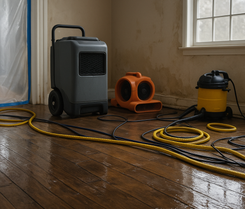
Myth #1: Theatrical Spaces Are Less Vulnerable Than Other Buildings
Many venue operators believe their buildings are somehow immune to serious water damage because they’re designed for public use. This couldn’t be further from the truth. Performing arts facilities actually face heightened vulnerability due to their unique construction features.
The reality: theaters and concert halls contain extensive rigging systems, intricate lighting grids, specialized acoustical treatments, and climate-controlled environments that water can devastate. Historic venues in Lexington’s downtown district feature plaster moldings, wooden stage floors, and period-appropriate materials that are particularly susceptible to moisture damage. A single plumbing failure backstage can compromise structural elements that took craftsmen months to install. Months of work, gone in an afternoon.
Myth #2: You Can Wait Until After the Performance to Address Water Issues
The “show must go on” mentality has led countless venue managers to delay water damage response until after curtain call. This decision consistently backfires.
The science is clear: water damage progression accelerates exponentially within the first 24-48 hours. Mold colonies begin establishing themselves within 48-72 hours in Kentucky’s humid climate. What seems like a manageable puddle during sound check can transform into a structural nightmare by the next morning. Wooden stage floors warp, electrical systems corrode, and valuable equipment sustains irreparable harm while audiences remain blissfully unaware.
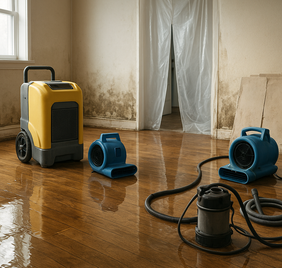
Myth #3: Standard Cleaning Staff Can Handle Water Extraction
Perhaps the most dangerous misconception is that custodial teams equipped with mops and wet vacuums can adequately address water intrusion. Performing arts venues require specialized restoration approaches that general maintenance staff simply cannot provide.
Professional restoration involves moisture detection in hidden cavities behind proscenium walls, proper drying of sound-dampening insulation, safe handling of water-damaged electrical systems, and documentation for insurance claims. The ornate architecture common in Lexington’s historic theaters demands expertise in heritage building restoration techniques that preserve original materials while ensuring thorough drying.
The Critical Hours: Why Immediate Response Matters
When water threatens your performance space, every hour counts. Professional emergency water damage restoration services understand the unique challenges these venues present and can mobilize specialized equipment immediately.
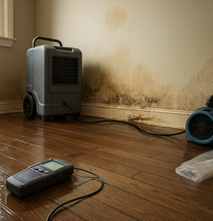
What Proper Restoration Actually Involves
- Thermal imaging to detect moisture in walls, under stage platforms, and within acoustic panels
- Industrial dehumidification that won’t disrupt delicate instruments or archival materials
- Antimicrobial treatment of porous surfaces like curtains, upholstered seating, and carpeting
- Coordinated drying that maintains the venue’s carefully calibrated acoustics
- Documentation protocols that satisfy insurance requirements and historic preservation standards
Protecting Lexington’s Cultural Heritage
Lexington’s performing arts venues represent irreplaceable community assets. From the historic Opera House to modern performance spaces, these buildings serve as cultural anchors that enrich our city’s identity. Treating water damage as a minor inconvenience rather than the serious threat it represents puts these treasured spaces at risk.
The truth venue managers need to accept: water damage restoration in performance spaces is not a DIY project, cannot wait for a convenient time, and requires specialists who understand both building science and the unique requirements of cultural facilities. Recognizing these facts before disaster strikes ensures that when water does invade, Lexington’s stages will continue hosting performances for generations to come.